

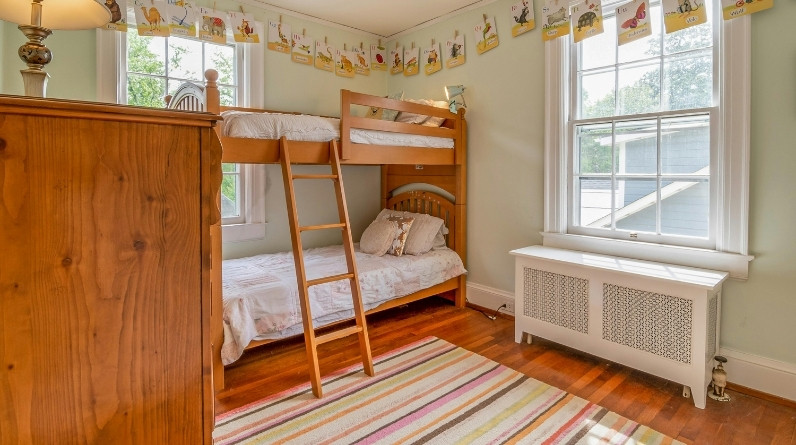
Children’s bedding and mattresses in Australia form the complete sleep environment that determines the quality of the 10 to 13 hours Australian children spend in bed every night across the developmental years. While the mattress provides the foundational support and temperature regulation, the bedding that covers the child and the pillow that supports the head and neck complete the physical sleep environment that the mattress alone cannot create. For Australian families researching children’s bedding and mattresses as an integrated purchase decision rather than two separate buying moments, understanding how the mattress, pillow, and bedding work together to create the optimal Australian children’s sleep environment produces better total sleep outcomes than selecting each element without regard to how they interact.
Key Takeaways
- Children’s bedding and mattresses in Australia work together as an integrated sleep environment: the mattress provides support and base temperature regulation, the pillow provides cervical alignment, and the bedding manages the immediate thermal environment.
- Australian seasonal temperature variation requires seasonal bedding weight adjustment throughout the year, with the mattress breathability specification providing the consistent base layer beneath the seasonal bedding changes.
- A quality waterproof breathable mattress protector bridges the mattress and bedding layers, protecting the mattress investment while maintaining the sleep environment hygiene and breathability.
- Pillow selection for Australian children should account for the child’s primary sleeping position (side sleeper needs a higher pillow than a back sleeper) and the firmness of the mattress (a softer mattress requires a lower pillow for the same spinal alignment).
- Australian children’s bedding in natural breathable fibres, cotton, bamboo, and wool, provides better temperature management across Australian seasons than synthetic alternatives in most populated Australian climate zones.
The Complete Australian Children’s Bedding and Mattress Setup
| Layer | Product | Australian Specification | Replacement Frequency |
| Foundation | Bed frame with slatted base | Max 6 to 8 cm slat spacing | As needed, typically 10 to 15 years |
| Support | Children’s mattress | Medium-firm, breathable, certified | Every 7 to 10 years quality |
| Protection | Waterproof breathable mattress protector | Correct size, breathable | Every 2 to 3 years or as needed |
| Cervical support | Age-appropriate pillow | Height matched to sleeping position | Every 2 to 3 years |
| Base sheet | Fitted sheet | Breathable cotton or bamboo | Rotate 2 to 3 per size, wash weekly |
| Thermal layer | Seasonal doona or quilt | Lightweight in summer, warm in winter | As quality deteriorates |
| Top layer | Doona cover | Washable, breathable fabric | As preferred, machine washable |
How Bedding and Mattresses Interact for Australian Children
The Mattress Breathability and Bedding Connection
The breathability of the Australian children’s mattress determines the base temperature regulation from below the sleeping body, while the bedding manages the thermal environment above. A highly breathable mattress, whether pocket spring with open channels or natural latex, maintains airflow beneath the sleeping Australian child regardless of the bedding placed over them. This matters particularly in the Australian summer, when lightweight breathable bedding combined with a breathable mattress creates the most comfortable sleeping temperature, while a dense non-breathable mattress can create uncomfortable warmth at the sleep surface even with the lightest bedding above it.
Seasonal Bedding for Australian Climate Zones
Australian families across the country’s diverse climate zones require different seasonal bedding strategies to maintain the optimal sleep temperature of 18 to 22 degrees Celsius for Australian children. In the tropical north, lightweight cotton or bamboo bedding year-round with air conditioning management provides the most practical approach. In the temperate south, a seasonal doona system with a lighter summer weight and a heavier winter weight combined with the same breathable mattress year-round is the most common and effective approach. In all Australian climate zones, the mattress breathability specification provides the consistent foundation beneath the seasonal bedding adjustments.
Pillow Selection for Australian Children
An age-appropriate pillow in correct combination with the Australian children’s mattress completes the spinal alignment picture. For a medium-firm mattress, a pillow of medium height provides the correct cervical alignment for most Australian side-sleeping children. For a firmer mattress with less shoulder sinkage, a slightly higher pillow may be needed. For a softer mattress with more shoulder compression, a lower pillow maintains neutral cervical alignment. Australian children who sleep primarily on their backs need a lower pillow than side sleepers on the same mattress. Matching the pillow to both the sleeping position and the mattress firmness produces the complete spinal alignment that supports restorative sleep quality.
For quality children’s bedding and mattresses available in Australia from Boori, browse the full kids mattress collection on the Boori Australia website.
Frequently Asked Questions
What is the best mattress protector for Australian children’s mattresses?
A waterproof breathable mattress protector in a fitted sheet style that encases the top and sides of the Australian children’s mattress provides the best combination of moisture protection and breathability. Choose a protector with a breathable waterproof membrane, such as polyurethane laminate or similar, over a plastic sheet that adds heat to the sleep surface. Bamboo or cotton terry top surfaces provide the best moisture wicking against the fitted sheet in Australian conditions.
How often should Australian children’s bedding be washed?
Fitted sheets and pillowcases should be washed weekly for most Australian children. Doona covers every two to three weeks, or more frequently if the child sweats heavily during the Australian summer. The mattress protector should be washed monthly or immediately after any moisture incident. Regular bedding washing in Australian households reduces the allergen accumulation that can affect sleep quality for Australian children with allergies or asthma.
What pillow height is appropriate for an Australian primary school child?
A medium-height pillow of approximately 10 to 12 centimetres is appropriate for most Australian primary school children who sleep on their side. Back-sleeping Australian children benefit from a lower pillow of 6 to 10 centimetres. Children who switch between positions benefit from a medium pillow that works adequately for both positions rather than optimising for either exclusively.
Should Australian children use a doona or separate blankets?
A doona or quilt with a washable cover is more practical for most Australian families than separate blankets, as the single cover layer is easier to launder and simpler for younger Australian children to manage independently at bedtime. Separate blankets provide more flexibility in thermal adjustment and are preferred by some Australian families in regions with significant temperature swings between early evening and midnight. The practical choice depends on the Australian family’s laundry routine and the child’s ability to manage their own bedding at bedtime.
Final Thoughts
Children’s bedding and mattresses in Australia function as a complete integrated sleep environment that is best selected with each layer’s interaction with the others in mind. The mattress breathability specification determines the base temperature regulation. The mattress protector maintains hygiene and extends the mattress life. The pillow height completes the spinal alignment. The seasonal bedding manages the immediate thermal environment. Each element selected with awareness of how it interacts with the others produces the optimal sleep environment for Australian children across every season and stage of their development.
